Future-Proofing Site Selection: Using Predictive Analytics to Navigate Grid Constraints


Siting data centers has become increasingly complex as developers contend with limited available offtake capacity on regional electric grids. In many high-demand markets, even where adequate generation exists, incremental load from large offtakers can trigger network constraints, curtailment, and reduced deliverability. As a result, many regions with active data center development already exhibit minimal headroom without substantial transmission upgrades. Accurately forecasting how the grid will evolve, and how those changes will redistribute capacity, has therefore become essential for strategic site selection.

The Current Challenge: A Constrained Grid
In many high-demand markets, even where adequate generation exists, incremental load from large offtakers can trigger network constraints, curtailment, and reduced deliverability. As a result, many regions with active data center development already exhibit minimal headroom without substantial transmission upgrades.
The density of existing infrastructure often creates a false sense of security; a visible substation does not guarantee available power. Accurately forecasting how the grid will evolve, and how those changes will redistribute capacity, has therefore become essential for strategic site selection.
Anticipating Future Transmission Development
Current planning models indicate that numerous regions are approaching or exceeding the limits of their existing transmission infrastructure, with congestion expected to intensify. However, this bottleneck is driving action. Utilities and transmission operators are responding with large-scale upgrade initiatives across the country, including new high-voltage lines, substation expansions, and grid-reinforcement projects.
For forward-thinking developers, these planned investments provide valuable insight into where new deliverability and interconnection capacity are likely to emerge. Crucially, this capacity appears not only along the upgraded corridors themselves but across the broader network as systemic constraints are alleviated.
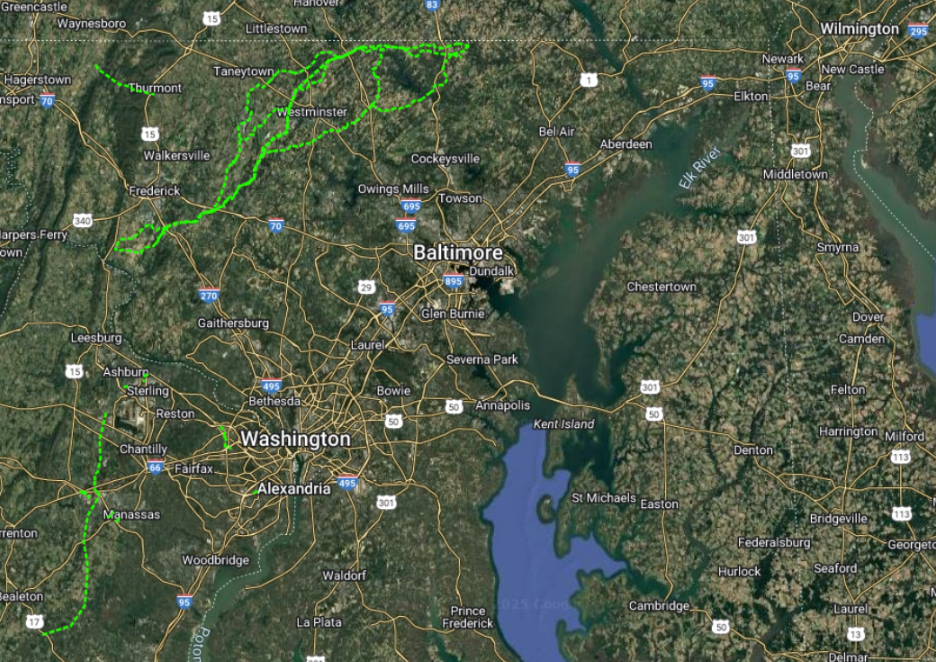
The Methodology: Identifying High-Impact Upgrades
A critical component of forecasting future capacity is understanding how existing and future constraints interact. Advanced grid modeling on the LandGate platform allows us to peer into the "future state" of the network.
Isolating Constraints: By isolating and removing currently overloaded elements embedded in ISO and RTO network models, developers can reveal the underlying transfer limits that will remain once those constraints are addressed.
Revealing Hidden Limits: This approach highlights areas that, even after planned upgrades, will continue to face modest transfer capability and require further investment.
Unlocking Potential: Conversely, it identifies regions where the same upgrades unlock substantial new capacity across multiple transmission paths.


Turning Grid Foresight into Competitive Advantage over Grid Constraints
For hyperscale and AI-focused data center projects, insight into future transmission development is increasingly a differentiator. This data-driven approach moves site selection from a reactive process to a proactive strategy.
Knowledge of where utilities intend to build new infrastructure allows developers to identify high-value sites that may not appear viable under current grid conditions but will become strategically positioned as upgrades come online. Furthermore, understanding how these improvements influence systemwide deliverability also informs optimal facility sizing and long-term expansion planning.
By leveraging predictive analytics to visualize the future grid, developers can:
Reduce Interconnection Risk: Avoid sites destined for chronic congestion.
Minimize Costs: Avoid triggering costly, unforeseen upgrade obligations.
Capitalize on Opportunities: Reveal "hidden gem" locations that competitors may overlook based on static, current-day data.
To learn more about LandGate’s tools, data, and analytics for grid constraint navigation, book a demo with our dedicated infrastructure team.